
You want to feel
like yourself again.
That's a medical question.
Not a phase to be endured. Not stress. Not your age. The fog, the broken nights, the body that changed without permission, the drive that vanished, the mood that isn't yours. These are measurable, and you're allowed to want your life back.
What perimenopause and menopause actually are, how they are diagnosed, and what the evidence says about hormone therapy. Written and answered by an endocrinologist, in Endocrinology and Internal Medicine, on the Costa del Sol.
Every article here is free. Having it read against your case is the paid part.
- The fog. Words gone mid sentence. You have started to worry about it.
- The nights. Three in the morning, soaked, then awake until six.
- The body. Weight around the middle, hair in the brush, a shape you didn't choose.
- The intimacy. Dryness, pain, no drive, and infections that keep coming back.
- The mood. Flat, tearful, short tempered. You don't recognize her.
- Endocrinologist
- Internal Medicine
- Board certified in Spain
- 14 years of training

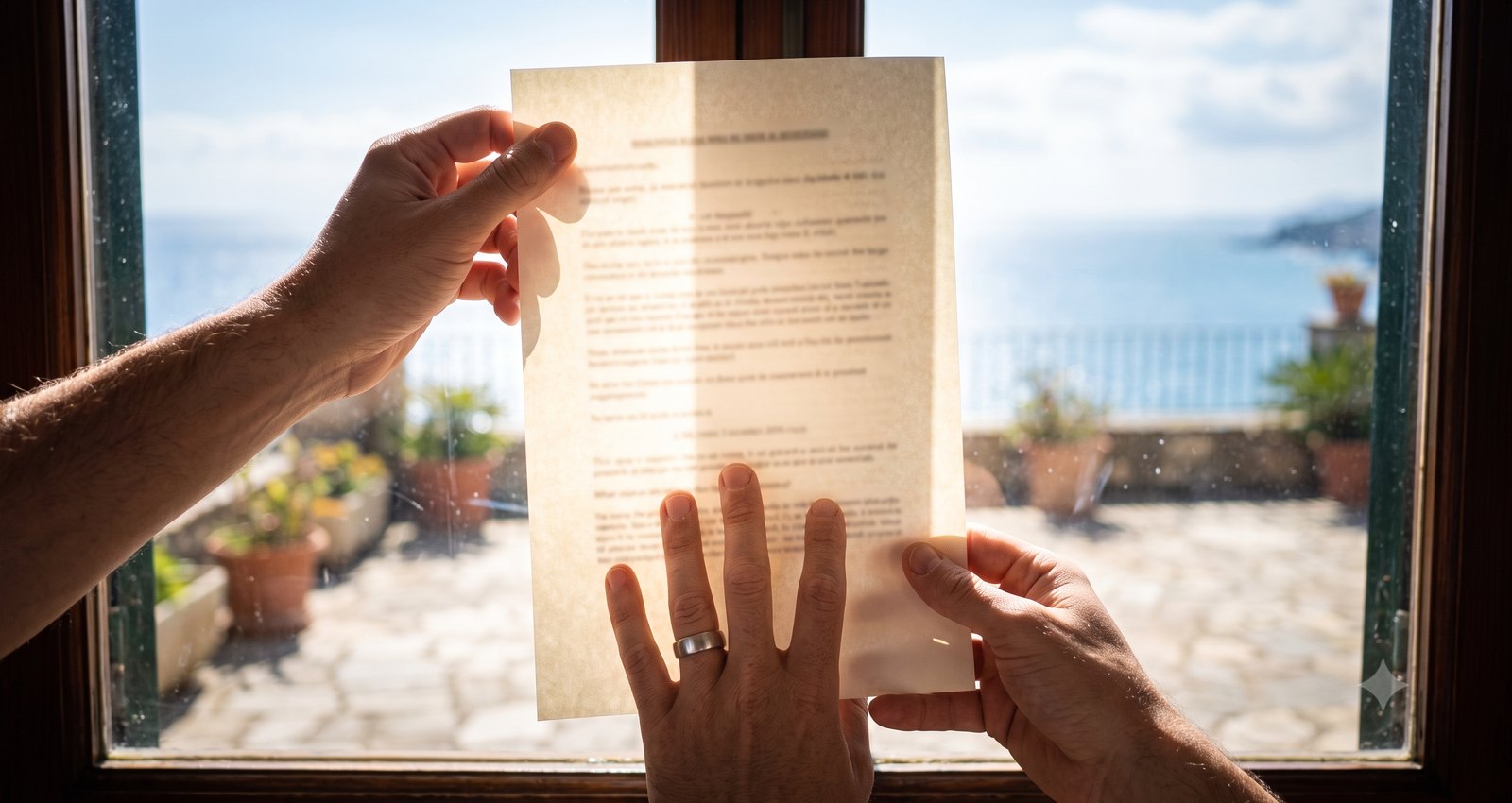
You could wait
for this chair.
A referral, a waiting list, and a short appointment with someone who has never seen your file. Or you speak to the specialist this week, in English or Dutch, and walk into that appointment already knowing what to ask for.
Talk to the specialist this weekA hormone doctor, for a hormone problem.
Menopause is a hormonal event, and it does not stay in one place. It reaches bone, heart, metabolism, sleep and mood at the same time. Reading all of that together is what two specialties are for.
Fourteen years of medical training, board certified in Spain, three health systems behind him, and a career spent in hormonal and metabolic medicine. And he answers you himself.
Ask the specialist directly
You were told it was just your age.
Nothing was measured. It was a short appointment, and you left with everything you came in with.
Free to read. Nothing to enter.
Every one of these is a hormone question
Most women have raised these one at a time, with different people, and had each one answered on its own. Together they are one story.
Brain fog
Losing the word, losing the thread, rereading the same paragraph. It is the one women worry about most, and the one they are least likely to say out loud. It is also very common, and it is worth raising.
CognitionSleep that broke
Waking at three, soaked, then lying there. Everything else on this list gets worse when the sleep goes, which is why it's rarely just the sleep.
NightsDryness, pain, and infections that return
Around half of women have this, and very few mention it. Unlike the hot flashes it does not settle on its own, so it is worth raising early rather than late. Recurrent urinary infections belong to the same cause.
IntimacyThe drive that disappeared
Not a relationship problem, and nothing to do with willpower. There is a hormone behind it that women are rarely told they still make.
LibidoA mood that is not yours
Flat, tearful, irritable, anxious in a way you never were. An antidepressant can be exactly right. It is worth having the hormones looked at in the same conversation, so the choice is made on the whole picture.
MoodThe middle, and the hair
The shape changes while the scale barely moves, and there is more hair in the brush. Both follow the same shift, and neither is really a question of eating less.
BodySix things women describe here
Mark the ones that are true of you. Fifteen seconds, nothing entered, nothing sent.
This list settles nothing on its own. Every symptom on it also comes from thyroid disease, iron deficiency, sleep apnea or depression, and each of those has a different answer. That is why a list like this is a reason to be assessed and never a conclusion.
These six are the symptoms described on this site, in the words women use here. They are not taken from any published questionnaire, nothing is calculated, and no threshold exists. The two questions about your age and your periods follow the British national guideline, which in women aged 45 and over makes the diagnosis from symptoms and menstrual history without routine hormone testing. Nothing you tap is entered, sent or stored.
The panel could not answer the question.
In these years the levels move week to week, so a single panel often reads normal while everything you described is still true. What you notice is the evidence, and it is worth bringing.
Ask what is worth checkingFrom the symptom
to the specialist
In order, or straight to the part you came for.
Six complaints, or one story
You have probably raised these one at a time, to different people, and had each one answered separately.
The fog went to one doctor. The sleep to another. The dryness to nobody. Put together, in front of someone who works in hormones, they are one story. And they belong to the years before anything stops, which is where most of the disruption lives and where almost nobody is looking.
Put them together for a specialistIt started before your periods did
The several years before the last one, which is where most of the disruption lives.
Read itSeven years, not seven months
The number nobody gave you, from the study built to answer exactly this.
Read itHalf of women have it. Nobody says it.
Dryness, pain, urinary infections. Unlike the rest, this one advances.
Read itThe panel was never built to answer your question
You were tested, told the numbers were normal, and sent home with everything you walked in with.
The British national guideline is unusually blunt about this. In women aged 45 and over, perimenopause and menopause are diagnosed from symptoms and menstrual history, without routine hormone testing, because the levels fluctuate too much to be interpreted. Which means the test was never going to settle it, and what you described in the room was the evidence all along. Knowing that changes the next appointment you have.
Have your case read properlyA blood test usually cannot tell you
What actually settles it, and why the panel you were given could not.
Read itIt is not a decline, it is a swing
Estrogen lurches up and down for years, which is exactly why you feel unreliable.
Read itYour ovaries never stopped making it
The hormone women are almost never told they still produce.
Read itNothing hurts, and that is the problem
Being told to give it time is not neutral. Three things move during exactly those years, and none of them announces itself.
Bone loss runs fastest from about a year before the final period through to two years after it, which is precisely the window in which almost nobody is scanned. Muscle falls and deep abdominal fat rises while the scale barely moves. And the dryness and urinary symptoms advance rather than settle. None of it is a certainty about you, and all of it is easier to act on early than late.
Ask what is worth measuring nowIt is already happening, silently
The fastest loss happens in the window nobody scans.
Read itThe scale barely moves. Everything else does.
Muscle down, deep fat up, and the weighing scale missing all of it.
Read itTen years decides everything
The single variable that moves the whole picture.
Read itYou were shown one decision. It is several.
What arrives as a single yes or no actually contains a decision about route, a decision about timing, and a decision about what else you carry.
Route is not interchangeable: a 2023 systematic review screened 1,369 papers and included 51 that compared the two routes directly in postmenopausal women. Timing changes the whole picture. And where estrogen is not an option there is now a class that is not a hormone at all, carrying one specific interaction trap that has to be known about. Reading all of that against your heart, your bones and your medication is what two specialties are for.
Ask the hormone specialistTwo routes. One doubles a risk.
51 studies compared them directly, and they are not interchangeable.
Read itThere is now something that is not a hormone
And one trap inside the class that has to be known about.
Read itA generation was frightened by a misread
What the eighteen year follow up actually found.
Read itHow long this usually goes on for.
These are findings in populations, not predictions about you, and none of them is a diagnosis. The duration figures are from the Study of Women's Health Across the Nation, the prevalence figure from the 2025 European Society of Endocrinology guideline. Every figure above is traced to its source in the journal.
See where you stand
Some of this is easier
to act on early.
Bone density, muscle and the tissue changes all move through these years. None of it is a certainty about you, and all of it is easier to act on while it is still early.
See where you standTwo appointments. The same woman.
Opposite answers.
If you have been told two different things, you are not imagining it. Both answers can be given in good faith, and they still leave the question open.
Both of those are quick answers.
Neither one is an assessment.
The 45-and-over rule is the British national guideline position, in the wording this site uses throughout. The prevalence of the intimate symptoms is from the 2025 European Society of Endocrinology guideline. Both are set out in the article on how it is diagnosed.
Being told you are fine is not the same as being assessed.
Most of the time, nobody has put it together yet.
A full doctor, certified here,
answering to nobody.

Endocrinology
Board certified in Endocrinology and Nutrition, the specialty that exists for hormones, metabolism, the thyroid and the glands. Full specialist training in the Spanish hospital system.
Internal Medicine
Board certified in Internal Medicine, the specialty of complex adult disease and the one other doctors call when a case does not fit. Your heart, your kidneys and your medication stay in the same conversation.
Andrology Certified
Trained in andrology, fertility and sexual medicine with ASESA, the Spanish association for the field, across the 2025 and 2026 editions of its national course. Most doctors never train in this at all.
Ultrasound Certified
Expert-course trained in bedside ultrasound, with years of daily use through hospital medicine. When something needs to be looked at, I can look at it myself.
Best Of His Class In Medical School
Best academic record of his medical school class, then six years as a general practitioner in a Dutch-organized system before any specialty.
What is on offer is knowledge, guidance and consultation, and nothing else.
Not "managing symptoms". Getting her back.
Every woman who writes describes the same three things, and none of them is a lab value.

Quality of life, back
Sleeping through. Thinking clearly. Wanting things again. The ordinary days stop being something to get through.
The whole point
Yourself, back
Not a calmer version. Not a coping version. The woman your family recognizes, in her own temper and her own energy.
Not a compromise
Alive, again
Strength, appetite for things, a body that carries you up the hill. The next thirty years are not a wind down, and they should not be treated as one.
The next thirty yearsMost women get to the end of a consultation having talked about sleep and tiredness, and never mention the rest. Dryness. Sex that hurts. A drive that has simply gone. A mood you don't recognize as your own.
You can write those words to me plainly. I've heard all of them before and none of them is too small to raise.
I write and review every page here myself, and I answer the messages myself too. I won't tell you what to take. I'm also not going to pretend one number settles anything, because it doesn't. What I will do is read your situation properly and tell you what I actually think, including the times when the honest answer is that your hormones are fine and the problem is somewhere else. Plenty of women hear that from me. It's still worth knowing.
Write it rather than say itDr de Windt, MD • Endocrinology and Internal Medicine, board certified in Spain

You are allowed to want a proper answer.
You have read enough here to ask a good question, and a good question is where this starts. There is no form and no call center, and you are welcome to write in your own words.
Answered personally by the specialist, quickly. English and Dutch.
A Consult with Dr de Windt, MD
Tell him what is actually happening. No form, no call center, no assistant reading a script.
Messages are read and answered personally by the doctor. English and Dutch.
This site provides information and, where appropriate, clinical assessment and diagnosis. We do not sell or provide drugs in a bottle, and this is not an online pharmacy or an outlet for obtaining medicine.